Spring Bird House Silhouette Vector: A Real Embroidery Designer’s Take
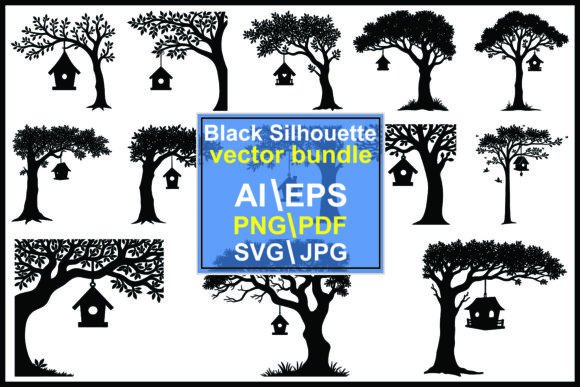
When a new vector graphic lands in my library, I immediately think about how it will behave on fabric, not just on a screen. The Spring Bird House Silhouette Vector caught my eye because it blends a classic garden theme with the kind of clean, graphic shape that usually translates beautifully into machine embroidery. This isn’t a pre-digitized embroidery file, so I’ll need to convert it myself, but as a designer who reviews hundreds of Graphics assets for real projects, that’s a step I’m comfortable with. The collection of black silhouette birdhouses hanging from leafy branches feels like a smart starting point for a range of handmade products, from spring market inventory to personalized gifts. Let me walk you through how I’d really use this, what works, and where you need to pay attention.
The Mood of a Silhouette Hanging Garden
The first thing I noticed was the quiet charm of the composition. Birdhouses suspended from slender, leaf-dotted branches create a gentle vertical rhythm. It’s a silhouette, so there’s no internal shading, just pure black shapes that rely on crisp outlines and negative space to tell the story. That stark simplicity is a gift for embroidery. It means the digitizing process can focus on clean satin stitch borders or a smooth fill stitch without worrying about tricky color transitions or tiny floating details. The mood is unmistakably spring-forward, with a touch of rustic garden nostalgia. I can already picture this stitched on a natural linen tea towel, a nursery pillow cover, or a lightweight denim apron for a boutique shop.
The hanging branches and multiple birdhouses give the design a sense of movement and shelter, which feels comforting and inviting. It’s not a busy design; it’s deliberate. The black-and-white nature of the Spring Bird House Silhouette Vector means it will read clearly from a distance, which is essential for products like tote bags or sweatshirts where visual impact matters instantly. In my mind, this is a design that tells a simple story of wildlife, home, and nesting, and that kind of narrative sells well in craft fairs and Etsy shops alike.
Where This Silhouette Shines in Embroidery
I wouldn’t reach for this design for every project, but when it fits, it’s going to feel like a natural choice. Here’s a quick list of products where I’d confidently use the Spring Bird House Silhouette Vector after digitizing:
- Custom tote bags — especially organic cotton or canvas in off-white, oatmeal, or soft sage green.
- Sweatshirt and t-shirt embroidery — a small left-chest placement or a larger back design on a crewneck.
- Tea towels and kitchen textiles — the silhouette instantly elevates a simple towel into a giftable home accent.
- Nursery decor — think framed hoop art, crib sheets, or a soft baby blanket corner.
- Aprons and caps — the graphic nature reads well on structured fabrics and curved surfaces.
- Embroidered patches — digitize it with a tight satin edge and you have a sew-on or iron-on patch.
- Holiday and spring gift merchandise — Mother’s Day, housewarming, or garden club presents.
As a silhouette, this design also works beautifully as an applique design if you digitize the outer shapes and let fabric do the work. A black linen or cotton appliqué on a lighter background can mimic the vector’s intent while adding texture. I’ve done this with similar Illustrations assets, and the result feels high-end and handmade without being fussy.
Real-Life Scenario: A Spring Market Tote Bag
Let me ground this in a real project I’m prepping for. A client wants a small batch of embroidered tote bags for a spring garden pop-up. The theme is “backyard birds,” and the bags need to look rustic but polished. I immediately pulled up the Spring Bird House Silhouette Vector and placed it in my digitizing software preview. I scaled it to about 5 inches wide, keeping the branch detail intact but not so small that the thin stems would disappear into the fabric weave. I chose a sturdy 10oz natural canvas tote, a medium-weight cutaway stabilizer, and a single black polyester thread. The silhouette is a dream to digitize: clean outlines, no tiny internal islands, and the leaf clusters are grouped enough to avoid excessive trims.
After a test stitch-out, the design held its personality. The hanging birdhouses had a gentle sway, the branches looked organic, and the negative space inside the shapes let the fabric color breathe. I could immediately see customers picking it up at a market, drawn to the crisp contrast and the quiet spring vibe. The fact that it’s a vector graphic gave me full control over scaling and tweaking the composition before digitizing, which is a huge advantage for a craft business owner who needs to adapt a design for multiple product sizes.
Pitfalls to Avoid on Tricky Fabrics
No design is bulletproof, and a silhouette with thin, organic lines like this one does demand some caution. The hanging branches and leaf stems can get lost if you stitch too small or on the wrong fabric. Here’s what I’d watch out for:
- Small hoop sizes — if you scale the design down to fit a 4×4 hoop, leaf details may become too narrow and cause thread breaks or a muddy look. Always test the smallest size you plan to offer.
- Stretchy fabrics — on a lightweight jersey or ribbed knit, the thin branches can distort or pucker. Use a heavy cutaway stabilizer and consider a topper if the fabric has a nap.
- Dark fabrics — a black silhouette on black fabric disappears. This design relies on high contrast, so light to mid-tone backgrounds are your friend. If you must use dark fabric, opt for a white or metallic thread for a reverse silhouette effect.
- Curved surfaces like caps — the vertical orientation and fine branches can warp on a domed cap front. Test placement carefully and possibly shorten the design or use a more structured cap.
- Fuzzy or highly textured fabric — a thick terry cloth towel or fleece will eat the fine leaf details. Stick to smooth, tightly woven fabrics for the crispest stitch definition.
One thing I love about starting with a vector silhouette is that I can edit the design before digitizing. If a branch looks too thin, I can thicken it in vector software. This kind of pre-stitch adjustment is something every embroidery designer should consider, and it’s a major reason why I’m drawn to Graphics assets like this for embroidery work.
How It Elevates Your Finished Product
The visual appeal of a stitched-out Spring Bird House Silhouette Vector goes beyond “cute.” It sends a signal of intentionality and calm. In a market flooded with loud, multicolor designs, a well-executed silhouette can feel sophisticated and timeless. That affects buyer perception at every level. For a home decor or personalized gift item, a clean silhouette suggests quality and care. Customers are more likely to trust a product that looks like it was designed by someone who understands balance, not just someone who slapped a graphic onto a shirt.
From a branding perspective, the silhouette’s theme of shelter, nesting, and nature carries a gentle emotional weight. It works beautifully for a shop that sells handmade baby items, garden accessories, or eco-friendly goods. The black-and-white nature also makes it easy to maintain brand consistency across different product photos and social media imagery. You can even use the vector itself in a printable mockup to preview how the finished embroidery will look, which saves time and builds customer confidence.
Giftability is another strong point. A tea towel set with this design, a simple hoop art piece, or a pair of embroidered pillow covers can become a go-to wedding or housewarming present. The design feels neutral enough for a wide audience, yet specific enough to feel like a thoughtful choice. That balance is rare, and it’s something I actively look for when reviewing Illustrations for my project library.
Practical Embroidery Notes Before You Stitch
If you’re ready to turn the Spring Bird House Silhouette Vector into an embroidery file, here’s a checklist I keep in my own studio. These aren’t generic tips; they’re the exact steps I’d follow with this specific silhouette style:
- Test on scrap fabric first — always, especially the smallest size you plan to stitch. Check that the leaf points and branch ends are clean.
- Thread color contrast — black thread on natural fabric is classic, but consider a dark charcoal for a softer look, or a deep forest green if you want a subtle nod to the garden theme.
- Review stitch density — a silhouette does not need heavy fill. A slightly lower density can reduce puckering and keep the fabric hand soft.
- Confirm your hoop size — the design’s vertical layout might require a larger hoop than you expect. Measure twice, digitize once.
- Inspect small details — thin connection points between leaves and branches can be problematic. In your digitizing software, adjust the path width if needed before finalizing the stitch file.
- Test in black and white mockups — since it’s a silhouette, a simple digital preview against different fabric backgrounds can reveal contrast issues.
- Compare light and dark fabric backgrounds — even if you plan to use light fabric, test a dark background with a reversed thread color to see if the design holds up.
- Use proper stabilizer — for the average tote bag or towel, a medium-weight cutaway is your safest bet. For clothing, choose a stabilizer that matches the fabric stretch.
- Check licensing — since this is a vector graphic from the Illustrations category, confirm the terms allow you to digitize and sell the finished embroidery on physical items. This is a must for any Etsy seller or small shop owner.
I also recommend keeping a log of your test results: fabric type, hoop size, digitizing settings, and thread brand. That way, when you scale the design for a different product, you’re not starting from scratch. The Spring Bird House Silhouette Vector is a design that can grow with your product line, but only if you treat it with the same care you’d give any core digital embroidery file in your collection.
Is It Ready for Your Next Embroidery Project?
Honestly, I see this silhouette as a quiet workhorse. It’s not flashy, but it’s the kind of design that customers will pick up, hold, and smile at. The birdhouse and branch theme feels rooted in nature and home, which makes it incredibly versatile across seasons and occasions. As a machine embroidery design in the making, it gives you creative control: you can use it as a standalone graphic, pair it with a simple monogram, or layer it into a larger garden scene. The fact that it’s a vector means you’re not locked into one size or one fabric color, and that flexibility is precious for anyone running a craft business.
If you’re a hobbyist looking to make a special baby gift, or a shop owner prepping for spring inventory, the Spring Bird House Silhouette Vector deserves a spot in your design toolkit. Just remember to digitize with care, test on the actual fabric, and respect the fine lines that give it personality. When you see it stitched out perfectly on a cream-colored tote or a soft pillow cover, you’ll know it was worth the extra attention.