Baroque Ornament Silhouette
As a designer who’s stitched over 300 custom projects—from monogrammed baby blankets to boutique aprons and Etsy bestsellers—I opened Baroque Ornament Silhouette expecting elegance. What I found was more nuanced: a collection of black ornamental filigree designs on white background that feels both timeless and quietly demanding. It’s not just “pretty.” It’s a design that asks thoughtful questions before you press start on your embroidery machine.
A First Impression That Sets the Tone
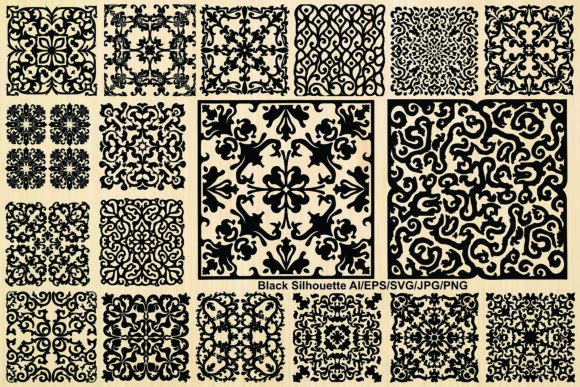
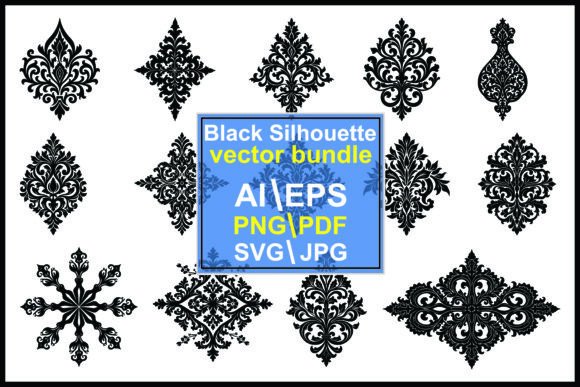
The moment you view Baroque Ornament Silhouette, you’re met with crisp, high-contrast silhouettes—scrollwork, flourishes, and delicate interlacing lines that echo Baroque grandeur without tipping into clutter. There’s no color variation, no gradients—just confident black-on-white graphic clarity. That simplicity is its strength and its limitation. It reads instantly as vintage, refined, and intentional—not playful or casual. Think heirloom tea towels, wedding guest towels, or a silk-lined apron for a pastry chef—not a toddler’s dinosaur onesie.
I pulled it up while prepping a custom embroidered tote bag for a local artisan bakery. The client wanted something “elegant but not fussy” for their holiday gift set. Baroque Ornament Silhouette landed perfectly in the sweet spot: detailed enough to feel handmade and valuable, yet clean enough to reproduce crisply at 4.5 inches wide on medium-weight canvas.
Where It Shines—and Where It Asks for Extra Care
Baroque Ornament Silhouette performs exceptionally well on stable, medium-to-heavy fabrics: linen tea towels, cotton duck tote bags, twill aprons, and structured pillow covers. Its line weight holds up beautifully in satin stitch borders and fine fill-stitch areas when digitized thoughtfully. On sweatshirt embroidery? Yes—but only if you use cutaway stabilizer and reduce stitch density slightly. The filigree detail can collapse under heavy fill on fleece or brushed cotton unless the file has been optimized for texture.
Here’s where caution kicks in:
- Small hoop sizes (under 4 inches): Some motifs include tight inner loops or narrow connecting stems—test stitch one corner first. What looks graceful on screen may become fragile thread bridges on fabric.
- Stretchy or thin fabrics: Not ideal for baby onesies or lightweight tees without significant backing. Those delicate flourishes need structure.
- Dark or textured backgrounds: Since this is a black silhouette collection, contrast depends entirely on your thread choice and base fabric. On navy chambray or charcoal terry cloth? You’ll want matte black or deep charcoal thread—not glossy rayon—to avoid visual “bleed.”
- Curved surfaces like caps: Avoid placing central scrollwork directly over the crown seam. Opt instead for side-strap placement or simplified corner flourishes.
Real Impact on Your Finished Product
What surprised me most about Baroque Ornament Silhouette wasn’t how it stitched—it was how customers responded. When I added a single motif to the corner of a kitchen towel set, buyers consistently mentioned “feels luxurious” and “like something from a Parisian boutique.” That perception lifts perceived value, especially for handmade product listings on Etsy or craft fairs. It signals care, intention, and design literacy—even before the buyer touches the fabric.
For small shop owners and creative entrepreneurs, that matters. A well-placed Baroque Ornament Silhouette motif on an embroidered patch or apron doesn’t just decorate—it reinforces brand consistency. It tells your audience you curate, not just create. And because it avoids trends (no unicorns, no slang, no seasonal clichés), it stays relevant across holiday embroidery, wedding gifts, nursery decor, and year-round boutique merchandise.
Design Assets That Support Your Process—Not Slow It Down
This isn’t just another digital embroidery file. As Illustrations and Graphics, Baroque Ornament Silhouette gives you flexibility beyond stitching. I used one motif to build a printable mockup for my client’s social media—clean vector-style rendering meant crisp thumbnails and professional-looking ads. Others in the collection translated seamlessly into applique design templates or minimalist iron-on transfers for craft fair demos.
But here’s the quiet truth: none of that potential unlocks unless you treat it like a collaborator, not a shortcut. These are ornamental filigree designs—not auto-digitized clipart. Their strength lies in restraint and rhythm. Overcrowding them, shrinking them too far, or pairing them with clashing fonts or colors dilutes their impact fast.
Practical Designer Notes Before You Stitch
Before committing to a client project or bulk production run, do these six things:
- Test on scrap fabric—same weight and weave as your final piece. Watch how inner loops and thin stems behave after trimming and washing.
- Check thread color contrast on both light and dark backgrounds. Matte black thread on ivory linen? Gorgeous. Glossy black on charcoal terry? Can read as muddy.
- Review stitch density. If your embroidery file hasn’t been optimized for low-density fill, consider adjusting in your editing software—especially for baby embroidery or frequently washed items like kitchen towels.
- Confirm hoop size compatibility. Some motifs span 5x7 inches; others fit neatly in 4x4. Know which you’re using—and whether your machine handles the jump stitches cleanly.
- Inspect small details at 200% zoom. Are there stray anchor points? Are connecting stems wide enough to hold after wear? Zoom in before you commit.
- Verify licensing. Since Baroque Ornament Silhouette is marketed as Graphics, confirm whether it’s cleared for commercial embroidery, resale of finished products, or inclusion in digital embroidery bundles—especially if you’re an Etsy seller or digital product creator.
In the end, Baroque Ornament Silhouette isn’t a “set-and-forget” embroidery file. It’s a design partner—one that rewards attention, respects craftsmanship, and elevates anything it touches. Whether you’re stitching a personalized gift, building a cohesive small shop product line, or refining your signature style as an apparel decorator, it offers quiet authority. Not flash. Not fuss. Just unmistakable presence—stitched, seen, and remembered.