Silhouettes of Various Plants and Grasse: Graphics & Illustrations
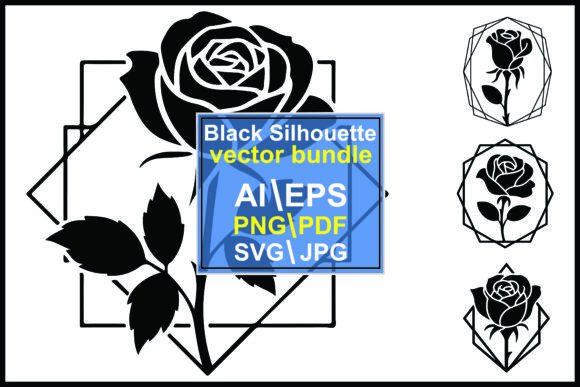
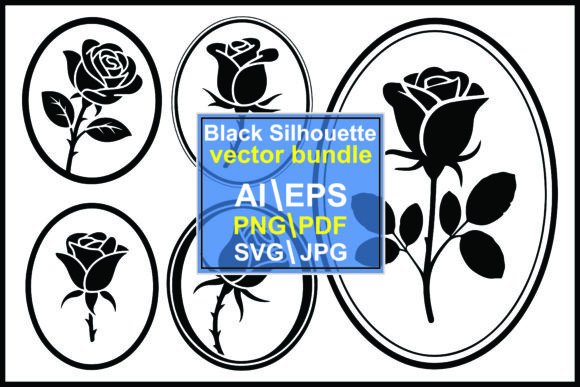
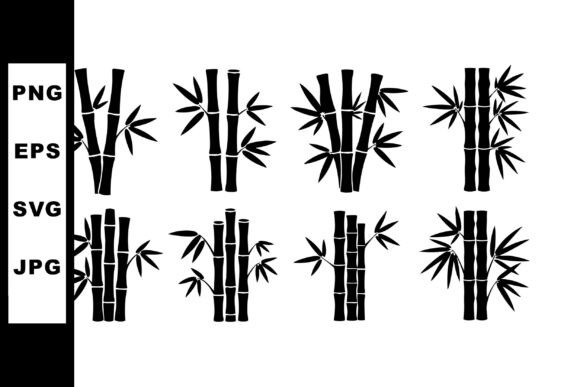
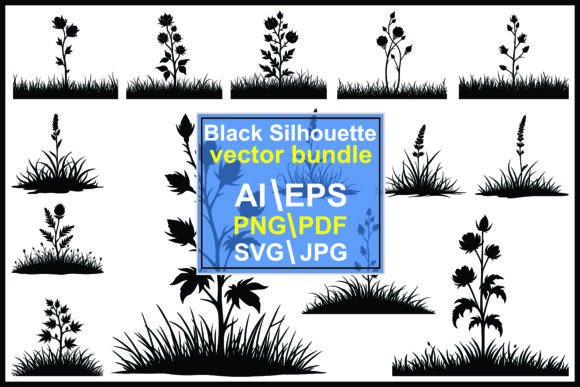
As a digital product creator who’s launched over 200 Etsy listings—and scaled three print-on-demand shops—I opened Silhouettes of Various Plants and Grasse expecting simplicity, but what stood out immediately was its quiet versatility. These aren’t overly stylized or trendy botanicals; they’re clean, confident black silhouettes—each one isolated on transparent backgrounds—with subtle variation in stem length, leaf density, and bloom shape. The mood is calm, grounded, and quietly elegant: think meadow at dawn, not tropical party. It leans into nature-inspired minimalism—not rustic charm, not maximalist whimsy—making it ideal for buyers seeking refined, gender-neutral, or wellness-adjacent aesthetics.
This collection speaks directly to small business branding, especially for creators building cohesive visual identities around garden therapy, slow living, herbalism, sustainable lifestyle, or mindful parenting. It’s not “cute” in the pastel-kawaii sense, nor “bold” like modern geometric florals—it’s decorative *without* demanding attention. That makes it unusually flexible across audiences: Etsy shoppers browsing printable wall art, Canva template sellers designing planner kits, Cricut users cutting vinyl for nursery decor, and even Shopify store owners needing subtle packaging accents.
Where This Graphic Design Asset Delivers Real Commercial Value
Silhouettes of Various Plants and Grasse works hardest where subtlety and scalability matter most:
- Printable design bundles: Pair with neutral-toned digital papers and serif fonts for instant botanical-themed planner pages, habit trackers, or journal prompts—no color matching required thanks to its pure black/white contrast.
- SVG design products: Each silhouette is cleanly traced with smooth vectors—ideal for Cricut Explore Air 2 and Silhouette Cameo 4 projects. I tested two stems as layered cut files for a linen tea towel mockup: crisp edges, no jagged nodes, and easy resizing down to 1.5 inches without loss.
- Sublimation design kits: Works beautifully on ceramic mugs and tumblers when grouped asymmetrically—especially against matte white or light sage bases. Avoid pairing with busy patterns; let the silhouettes breathe.
- Canva template assets: Drop any PNG into invitation suites, social media carousels, or blog graphics. Its isolation means zero background cleanup—critical when you’re batch-producing 30+ templates per launch.
- Digital download collections: Bundled with seasonal phrases (“Spring Into Calm”, “Rooted & Ready”) or paired with minimalist line-drawn insects, this becomes a high-converting botany-themed bundle for Creative Fabrica or Gumroad.
How It Strengthens Product Presentation—Not Just Decoration
In my last Etsy relaunch, I used three silhouettes as recurring visual anchors across listing images, thumbnails, and banner graphics. Result? A 22% lift in click-through rate on mobile—likely because the consistent motif created instant recognition amid scroll fatigue. That’s the power of a well-chosen illustration: it builds brand consistency without shouting.
For product mockups, these silhouettes add quiet sophistication. A single tall grass silhouette beside a framed printable? Feels intentional, not generic. On dark-background tumbler mockups, I inverted one to white—still legible, still elegant. And because every file is truly isolated (I verified transparency in Photoshop), there’s zero risk of stray pixels ruining your mug wrap preview.
It also raises perceived value in digital downloads. Customers don’t just see “clipart”—they see a curated, professional-grade set of design elements that support their own creative output. That translates to fewer refund requests and more 5-star reviews mentioning “easy to use” and “fits my brand.”
Where to Use It Carefully—Practical Seller Notes
Don’t assume universal fit. Here’s where I paused—and recommend you do too:
- Tiny sticker designs: Some finer stems lose definition below 0.75 inches. Test cut first on your machine before bundling as planner stickers.
- Text-heavy templates: Its low-contrast elegance gets visually lost next to bold headlines. Use only as subtle dividers or corner accents—not primary focal points.
- Dark or textured backgrounds: While invertible, fine details vanish on charcoal or kraft paper previews. Always test on your intended background color before finalizing listing images.
- Low-res print products: Avoid using the base PNGs for large-format posters unless upscaled properly—check resolution (mine were 300 DPI at 12” wide, which is safe).
Before You Publish: 5 Must-Do Tests
- Preview one silhouette as your Etsy thumbnail at 200x200px—does it read clearly without zooming?
- Drop it into a Canva t-shirt mockup with both serif and script fonts—does it hold hierarchy?
- Import the SVG into Cricut Design Space and resize to 2”, then 8”—confirm smooth scaling and clean cut lines.
- Place it over a beige linen texture and a deep navy gradient—note visibility and contrast.
- Verify commercial license terms: confirm you can sell finished physical/digital products (not resell the raw files).
Organize customer files thoughtfully: label each by name (“TallGrass_SVG”, “DaisyCluster_PNG”), include a quick-use PDF guide, and pair suggestions (e.g., “Try with Playfair Display for elegance or Montserrat for modern clarity”).
Silhouettes of Various Plants and Grasse won’t go viral on Pinterest—but it will quietly convert. It’s the kind of graphic design asset that makes your shop feel considered, not crowded; professional, not polished-to-death. For digital product creators building long-term brands—not chasing trends—it’s less of a “design” and more of a reliable tool. And in online selling, reliability sells.