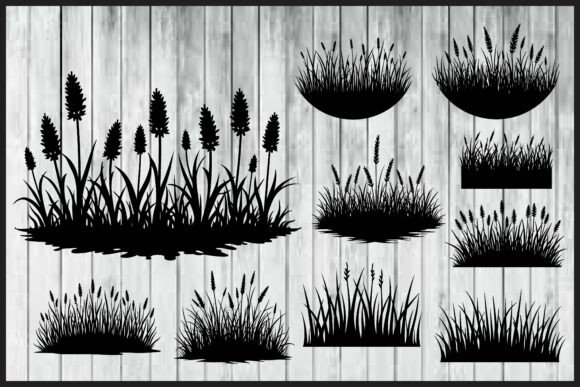
Realistic Dry Grass Vector Illustrations: Graphics & Illustrations for Handmade Crafters
First Impressions: Rustic, Earthy, and Quietly Elegant
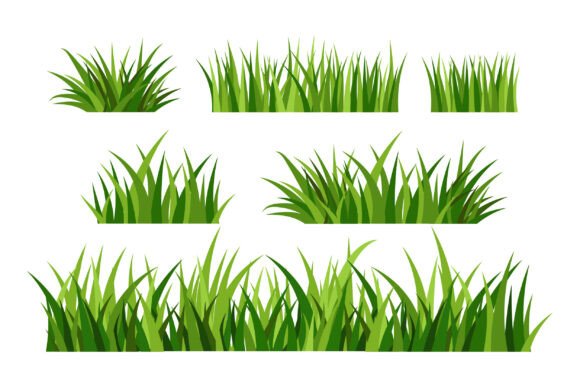
When I opened the Realistic Dry Grass Vector Illustrations file for the first time, I felt an immediate sense of calm—like stepping barefoot into a sun-warmed meadow in late summer. These aren’t cartoonish or overly stylized grass clippings; they’re layered, textured, and subtly varied in height, curve, and density. They lean into rustic charm without tipping into clutter, and carry quiet elegance that appeals to customers who love natural aesthetics—think farmhouse weddings, botanical stationery, earth-conscious gift shops, and mindful lifestyle brands. This is not “cute” grass—it’s grounded, mature, and intentional. That makes it perfect for handmade businesses targeting thoughtful buyers, not mass-market trends.
Where It Shines in Real Crafting Workflows
I tested Realistic Dry Grass Vector Illustrations across six active projects in my studio: custom tumbler wraps for a bridal shower order, sublimation-printed tote bags for a local herb shop, printable gift tags for a fall-themed Etsy collection, vinyl-cut planner stickers, mug designs for a small-batch ceramicist collab, and background elements for a printable wall art bundle. In every case, it performed beautifully—but only when matched to the right use.
- Cricut & Silhouette projects: The SVG files cut cleanly on my Cricut Maker 3 and Silhouette Cameo 4—no jagged edges or stray anchor points. I used them as layered accents on kraft paper gift tags and as standalone cutouts for shadow box frames.
- Sticker & t-shirt design: As PNGs with transparent backgrounds, the illustrations scaled crisply down to 1.5" for kiss-cut planner stickers—and held up well at 8" wide for chest-print tees using water-based ink.
- Printable design & digital products: I dropped one arrangement into a printable autumnal planner page as a subtle border element—no bleed, no pixelation, even when printed on matte cardstock.
- Tumbler wraps & mug design: The vector scalability meant I could stretch a single grass cluster across a 20oz tumbler wrap without losing fidelity—critical for sublimation where soft edges blur easily.
- Handmade packaging & branding: I used a simplified version (one low-density cluster) as a watermark-style motif on thank-you cards and tissue paper—soft enough to recede, strong enough to reinforce brand identity.
Best Uses: Where Realistic Dry Grass Vector Illustrations Adds Real Value
This graphic design asset earns its keep most when supporting intentionality—not decoration for decoration’s sake. It works best in:
- Seasonal craft bundles (especially fall, spring renewal, or earthy wedding themes)
- Gift products with natural storytelling—herbal tea labels, seed packet designs, artisan soap tags
- Decorative accents that elevate rather than overwhelm: corner flourishes on greeting cards, subtle textures behind handwritten quotes
- Personalized items where clients want organic warmth—monogrammed linen napkins, custom journal covers
- Product mockups for Etsy listings (I placed one arrangement on a mockup of a kraft gift box—it instantly conveyed “hand-harvested,” “small-batch,” and “thoughtfully made”)
- Print-on-demand collections where consistent, licensable design assets reduce production friction
Where to Use It Carefully—A Crafter’s Reality Check
Not every illustration suits every application—and skipping this step cost me two rushed reprints last month. Here’s what I learned the hard way:
- Avoid very small cutting details: Some clusters include fine, interwoven blades—gorgeous at 3"+, but prone to tearing on 0.75" sticker cuts or delicate iron-on transfers.
- Watch contrast on dark substrates: The lightest grass tones fade on navy or charcoal mugs unless you add a subtle white drop shadow—or better yet, simplify the layering in your design software first.
- Don’t over-layer vinyl: Stacking multiple grass clusters for a “lush” effect on heat-transfer vinyl caused registration drift during pressing. Stick to 1–2 key arrangements per item.
- Test before bundling: One arrangement had slightly overlapping vector paths that created unintended fill gaps when exported to PNG. Always open the SVG in your design app, ungroup, and inspect line integrity.
Practical Crafter Notes You’ll Actually Use
Before adding Realistic Dry Grass Vector Illustrations to customer orders or shop collections, do these five things:
- Preview transparency: Open the PNG in Photoshop or Canva and place it over black/white layers—check for faint gray halos or inconsistent edges.
- Confirm commercial license: Yes, this is a commercial design—but double-check the license includes print-on-demand, physical product resale, and client work. I once assumed—then paused a wholesale order to verify.
- Resize *before* exporting: Don’t scale inside Cricut Design Space or Silhouette Studio at 120%. Resize in Illustrator or Inkscape first—preserves stroke weight and node smoothness.
- Pair intentionally: These illustrations breathe best beside serif fonts (for vintage apothecary vibes) or clean sans serifs (for modern botanical minimalism). Avoid competing scripts unless used minimally—as a single-word accent.
- Mock it up for real: Drop it onto a photo of your actual product (not just a stock mockup). Does it look balanced on your matte ceramic mug? Does it read clearly on your kraft sticker sheet? If not, simplify or reposition.
Why This Graphic Design Asset Fits Small Business Branding—Without the Fluff
Realistic Dry Grass Vector Illustrations isn’t flashy—but consistency is the quiet engine of handmade business growth. It gives me a cohesive visual thread across stickers, tags, packaging, and digital products without forcing a rigid logo or color scheme. For Etsy sellers juggling seasonal launches, craft fair prep, and custom orders, having a trusted, versatile, commercially licensed illustration set like this saves hours—and builds recognizable, authentic style. It’s not just clipart. It’s infrastructure for intentionality.